
Subscribe to Our Newsletter
To get the latest tips and news to support your well-being journey!
To get the latest tips and news to support your well-being journey!

Starting exercise often sounds easy right up until real life gets involved. One week you feel motivated, the next you are sore, short on time, and quietly wondering whether you are doing any of it properly. That is exactly where a fitness coach for beginners can make a real difference - not by shouting louder than your inner critic, but by giving you structure, clarity and support that actually fits your life.
For many people, the hardest part is not movement itself. It is the uncertainty around where to begin, how much is enough, what counts as progress, and whether you need to overhaul everything at once. A good coach removes that fog. Instead of handing you a punishing plan designed for someone else, they help you build a starting point that feels manageable and sustainable.
If you have never worked with a coach before, it helps to strip away the stereotypes. This is not necessarily someone barking instructions through a headset or demanding six sessions a week. At the beginner level, coaching is often much more practical and reassuring than that.
A coach helps you understand your current baseline, your goals and the obstacles that tend to get in the way. That might mean creating a simple weekly routine, teaching correct form for a few foundational exercises, checking in on your confidence, or adjusting the plan when work stress, low energy or family commitments change your week.
The value is not only in the exercises themselves. It is in the interpretation. Beginners often struggle because they cannot tell the difference between challenge and overdoing it, or between a slow start and a failed attempt. A coach gives context. They can show you that consistency matters more than intensity when you are building a new habit, and that progress is often quieter than people expect.
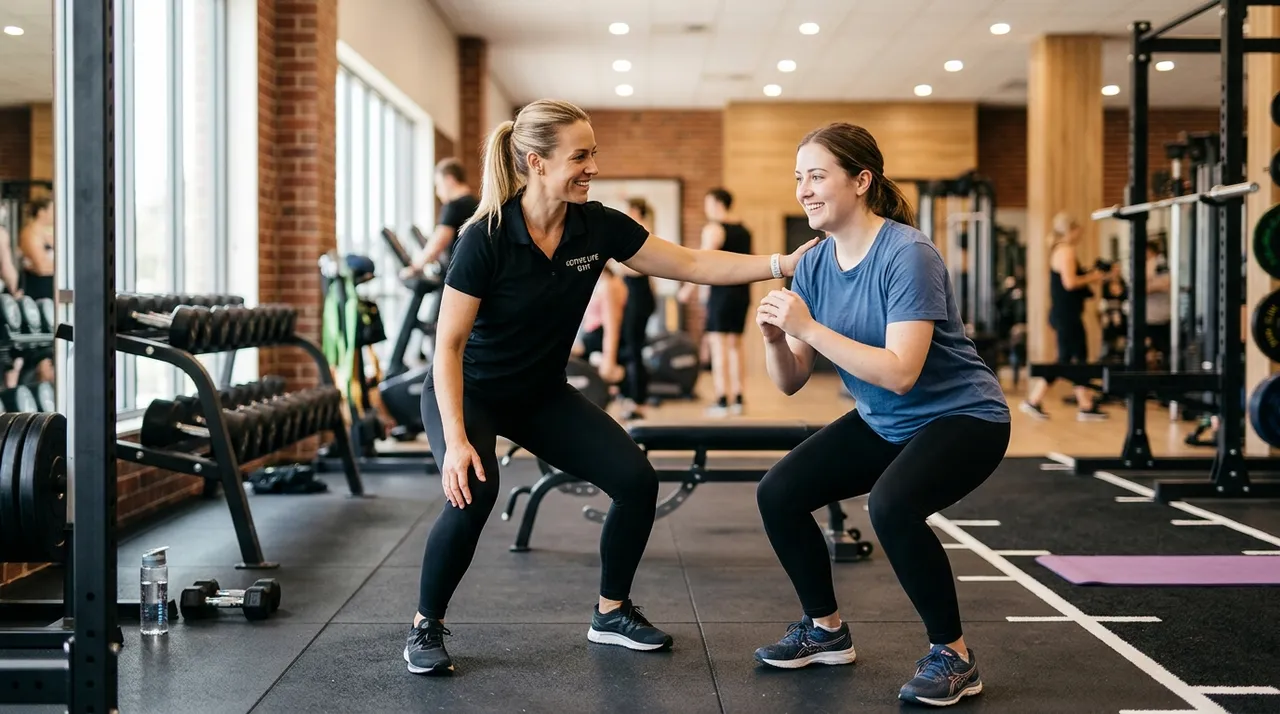 Why beginners often quit without support
There is a reason so many fitness plans fall apart after a promising start. Most beginners do not lack discipline as much as they lack a realistic system.
When you are new, it is easy to copy routines from people with very different bodies, schedules and experience levels. That usually leads to one of two outcomes. Either the plan is too hard and you stop, or it is so vague that you never quite begin. Coaching helps close that gap by turning good intentions into something specific.
There is also the emotional side. Starting fitness can bring up self-consciousness, frustration and comparison. If you already feel burnt out or stretched thin, a harsh approach can make things worse. Supportive coaching works better because it meets you where you are. It gives you permission to start small without treating small as meaningless.
Many people look for a coach because they want visible results - more strength, improved fitness, weight loss, better energy, or a healthier routine. Those are valid goals. But for beginners, the first win is usually behavioural.
Can you move regularly without dreading it? Can you fit exercise into a busy week? Can you recover well enough to come back again? Can you build trust in your own ability to follow through? These questions matter because they shape what happens after the first burst of motivation fades.
A strong coach understands this. They are not just prescribing workouts. They are helping you create repeatable patterns. That might mean three short sessions instead of five long ones, walking on stressful days instead of skipping movement entirely, or learning how to restart without guilt after a disrupted week.
This is one reason holistic support matters. Physical goals do not exist in isolation. Sleep, stress, mood and work pressure all influence your ability to stay consistent. That is why platforms such as SympathiQ can feel especially useful for people who want support that sees the bigger picture, rather than treating fitness as a stand-alone task.
Not everyone needs coaching forever, and not every beginner needs the same kind of help. Some people mainly need accountability. Others need education, reassurance or a plan tailored around a health condition, low confidence or a stop-start history with exercise.
You are likely to benefit from coaching if you keep delaying the start because you feel overwhelmed, if you have tried generic programmes and lost momentum, or if you want expert guidance without the pressure of figuring everything out alone. It can also be helpful if you are returning to movement after stress, burnout or a long gap. In those moments, confidence tends to matter as much as fitness itself.
That said, the fit matters. A brilliant coach for an experienced gym-goer may be completely wrong for a beginner. You want someone who can explain things clearly, adapt to your pace and treat your starting point with respect. If their method relies on shame, extremes or all-or-nothing thinking, keep looking.
The right coach should make the process feel clearer, not more intimidating. Credentials matter, but communication matters just as much. You need someone who can translate knowledge into action you can actually take.
Look for a coach who asks thoughtful questions before building a plan. They should want to know about your goals, current activity level, schedule, energy, preferences and any injuries or concerns. If they hand you a rigid programme before understanding your life, that is a warning sign.
It also helps to notice how they talk about progress. Good beginner coaching is specific and encouraging. It focuses on building skills and habits, not chasing punishment or perfection. You should leave sessions feeling supported and stretched in a healthy way, not defeated.
Online coaching can work especially well here because it adds flexibility. For busy adults, being able to book sessions around work and home life often makes the difference between a plan that sounds good and one that actually happens.
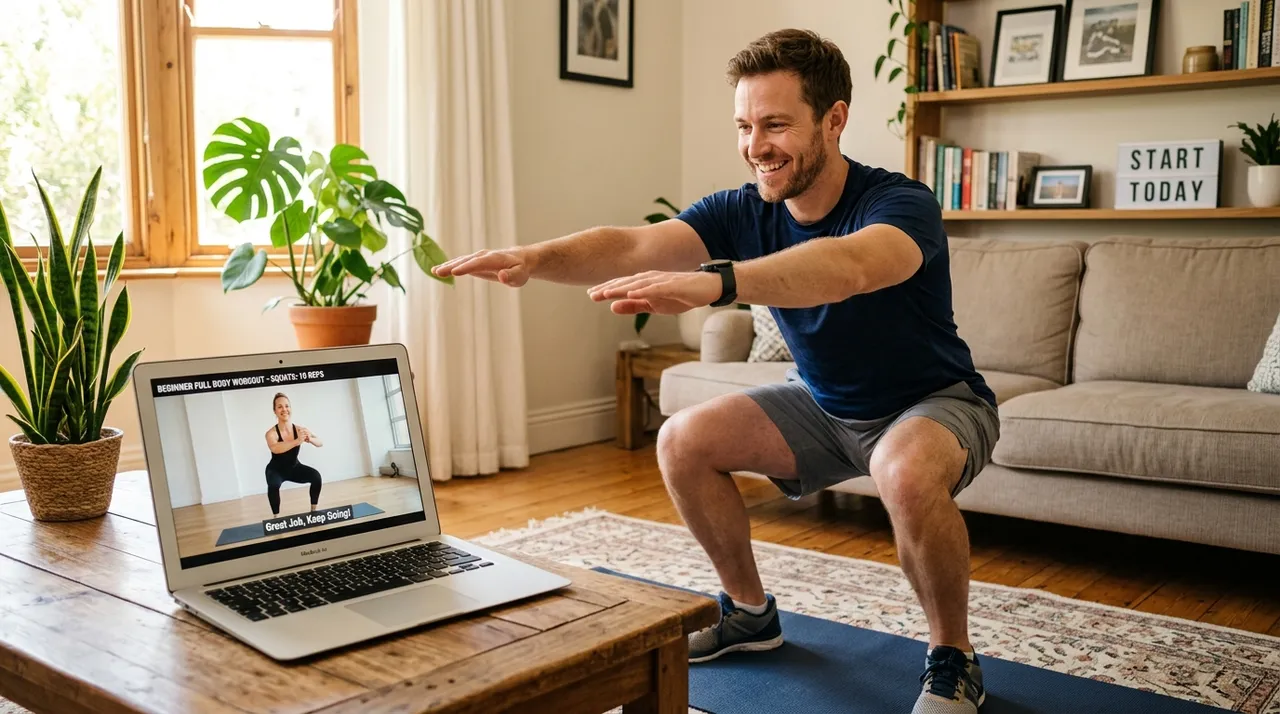 What your first few weeks may look like
One of the biggest misconceptions about coaching is that you need to be ready for a dramatic transformation from day one. In reality, a thoughtful start is often much quieter.
Your first weeks may focus on simple movement patterns, short sessions and learning how your body responds. You might work on walking, bodyweight exercises, basic strength training or mobility. You may also discuss recovery, confidence, routine and what tends to throw you off track.
This can feel almost too simple if you are used to dramatic before-and-after messaging. But simple is often what works. Beginners usually do better with an approach they can repeat than with one that leaves them exhausted after four days.
There will be trade-offs. If your main goal is speed, a slower build may test your patience. If your schedule changes constantly, your plan may need more flexibility and less precision. That does not mean the process is weak. It means it is designed to last.
One reason people give up early is that they expect progress to look immediate and visible. Sometimes it does. Often, especially at the beginning, it shows up in quieter ways.
You may notice that stairs feel easier, your posture improves, your mood lifts after movement, or you recover faster from a busy week. You may feel less intimidated by exercise and more certain about what to do when you walk into a gym or start a session at home. These shifts matter because they create momentum.
A coach helps you recognise those markers, which is more important than it sounds. When you can see progress clearly, you are less likely to mistake a normal plateau for failure.
There is no prize for choosing the hardest possible version of getting fit. For beginners, the most effective plan is usually the one that respects your current capacity while still moving you forward.
That may mean two sessions a week. It may mean starting at home before joining a gym. It may mean combining fitness support with help for stress, routine or confidence. The path will not look identical for everyone, and that is a strength, not a weakness.
If you have been waiting to feel fully ready, consider this your reminder that readiness is often built through action, not before it. The right support will not ask you to become a different person overnight. It will help you take the first step in a way that feels safe enough to repeat.
Your email address will not be published. Required fields are marked *