Subscribe to Our Newsletter
To get the latest tips and news to support your well-being journey!

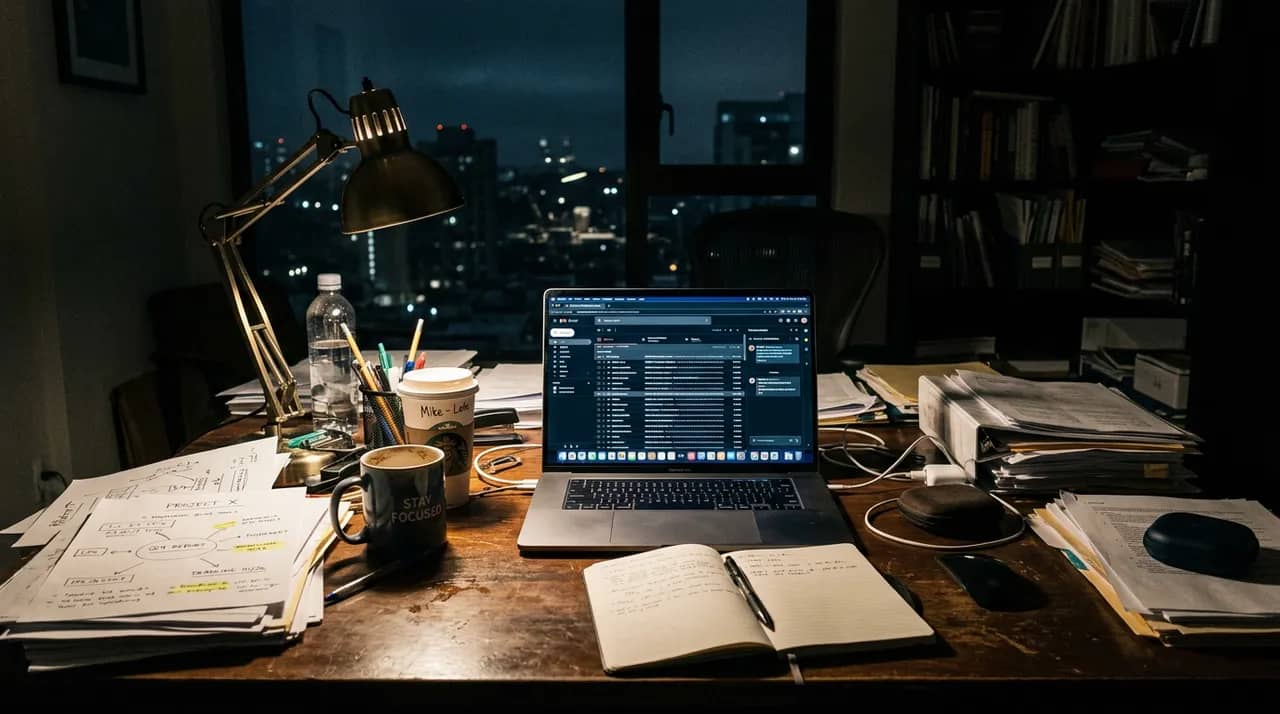
You do not usually wake up one morning and think, I am burnt out. It tends to arrive more quietly than that. You start dreading messages before breakfast. Small decisions feel oddly heavy. Rest stops feeling restorative, and even the things you used to enjoy begin to feel like tasks. At that point, an online burnout coach can be more than a convenient option - it can be the first form of support that actually fits around your life.
Burnout is often mistaken for ordinary stress, but the two are not the same. Stress can feel intense and unpleasant, yet still temporary. Burnout is what happens when pressure goes on for too long without proper recovery, support, or change. It can affect your energy, focus, sleep, motivation, confidence, and relationships. For many working adults, it also comes with guilt. You may know something is wrong, but still feel pressure to keep performing as if nothing has changed.

An online burnout coach helps you understand the patterns driving your exhaustion and supports you in changing them in a structured, realistic way. That can include workload habits, boundaries, perfectionism, people-pleasing, emotional overload, decision fatigue, and the constant sense that you should be doing more.
This is not simply about telling you to take a bath, go for a walk, or book annual leave. Good coaching looks deeper. It asks why recovery has become so difficult in the first place. It helps you notice where your energy is going, what your body has been signalling, and which expectations are no longer sustainable.
In practice, sessions often focus on a mix of reflection and action. You might look at your weekly rhythms, identify the moments that consistently drain you, and build new ways of working or living that feel possible rather than idealistic. You may also work on communication, especially if saying no, asking for help, or switching off after work feels harder than it should.
Because the support happens online, it is easier to fit into a packed schedule. You can speak to a coach from home, during a break, or around caring responsibilities. For many people, that reduced friction matters. When you are already exhausted, convenience is not a luxury - it is often the difference between getting help and putting it off again.
Burnout does not only affect senior executives or people in visibly high-pressure roles. It can affect parents, founders, teachers, healthcare workers, freelancers, managers, creatives, and anyone carrying too much for too long. It can also show up in people who seem highly capable from the outside.
An online burnout coach may be a good fit if you are functioning on paper but struggling underneath. Perhaps you are still meeting deadlines, yet everything feels harder than it used to. Perhaps you are snappy at home, disconnected from your own needs, or relying on caffeine, late-night scrolling, and sheer force of will to get through the week.
It can also suit people who want structured support but are not sure therapy is the right starting point. Coaching is often especially helpful when you want practical change, accountability, and a forward-looking plan. That said, it depends on what you are carrying. If your burnout is closely tied to trauma, severe anxiety, depression, or a mental health crisis, therapy or clinical care may be more appropriate, either instead of coaching or alongside it.
That nuance matters. Burnout support is not one-size-fits-all, and trustworthy platforms should make that clear rather than oversimplify the process.
This is one of the most common questions, and the honest answer is that it depends on your needs.
A therapist usually works with mental health symptoms, emotional history, deeper patterns, and psychological healing. An online burnout coach is more likely to focus on present-day habits, stress drivers, boundaries, recovery strategies, and sustainable change. There can be overlap, especially when a coach has a strong wellbeing background, but the purpose is different.
If you feel emotionally overwhelmed but stable, and your main goal is to stop running on empty and rebuild balance, coaching can be a strong option. If you are feeling persistently low, panicked, numb, or unsafe, a licensed mental health professional may be the better route. Some people benefit most from a holistic setup that includes both.
That is where integrated care becomes especially valuable. Burnout rarely sits neatly in one box. It can affect sleep, movement, nutrition, self-worth, relationships, and your ability to think clearly. Support works best when it recognises the whole person rather than only one symptom.
Not every coach who mentions burnout is equipped to support it well. The quality of the relationship, the structure of the process, and the coach's understanding of stress patterns all matter.
Look for someone who can explain how they work in clear terms. You should be able to understand what sessions involve, what kinds of goals they help with, and what is outside their scope. A good coach will not make dramatic promises or suggest they can fix everything in a few calls. Burnout recovery is rarely linear, and ethical support reflects that.
It also helps to find a coach whose style suits you. Some people respond well to gentle accountability and reflective conversation. Others want something more direct and practical. Neither is inherently better, but the fit can shape how safe and motivated you feel.
Privacy, scheduling flexibility, and ease of booking matter too, particularly when you are already stretched. A platform such as SympathiQ can make that process feel less overwhelming by bringing specialist discovery, secure booking, and ongoing support into one place. That simplicity can lower the barrier to taking the first step.
Burnout recovery is not usually dramatic at first. Often, the earliest changes are subtle. You may notice that your chest feels less tight on Sunday evenings. You start finishing work without carrying it mentally into the night. You become more aware of what drains you before you hit a wall.
Working with an online burnout coach should help you feel more resourced, not more judged. Over time, you may find it easier to make decisions, set limits, and recognise your needs without immediately dismissing them. You may also start measuring progress differently - not just by output, but by steadiness, clarity, and how sustainable your life feels.
That is an important shift. Burnout often trains people to value themselves only through productivity. Recovery asks you to build a healthier metric.
When you are exhausted, even small logistical hurdles can feel too much. Travelling across town, rearranging your day, sitting on a waiting list, or repeating your story to multiple providers may all be enough to delay support.
Online care removes much of that pressure. It gives you a private, flexible way to speak to someone without adding another draining task to your week. That does not make it lesser than in-person support. For many people, it makes support more consistent, and consistency is what creates change.
There is also something reassuring about being able to access help in the environments where burnout often shows up most clearly - your home office, your kitchen table, your normal weekday routine. The work becomes easier to apply because it is rooted in real life rather than separated from it.
Still, online coaching is not magic simply because it is accessible. It works best when you are ready to engage honestly, experiment with change, and give yourself permission to be supported.

A lot of people wait until they are completely depleted before seeking help. They tell themselves they should be able to handle it alone, or that someone else has it worse. That mindset is common, but it can keep you stuck for far longer than necessary.
You do not need to prove that you are struggling enough to deserve support. If your energy is low, your patience is thin, your motivation has fallen away, and rest no longer seems to help, that is already worth paying attention to. An online burnout coach can help you make sense of what is happening before it spills into every part of your life.
The most helpful starting point is often the simplest one: notice what feels unsustainable, and do not minimise it. Support does not have to come after a crisis. Sometimes it begins with the quiet decision to stop pushing past your own limits and start listening to them instead.
Your email address will not be published. Required fields are marked *
Experiencing reduced productivity and effectiveness.
Although burnout is most often linked to the workplace, similar experiences can occur in other areas of life, including parenting, caregiving, studying, and demanding personal circumstances.
Many people confuse stress with burnout, but they are not the same. Stress often involves feeling overwhelmed while still believing you can cope. Burnout, on the other hand, is marked by feeling emotionally depleted, unmotivated, and unable to continue functioning as you normally would.
Recognising the early signs of burnout is important because early intervention may help prevent more serious physical and mental health difficulties.
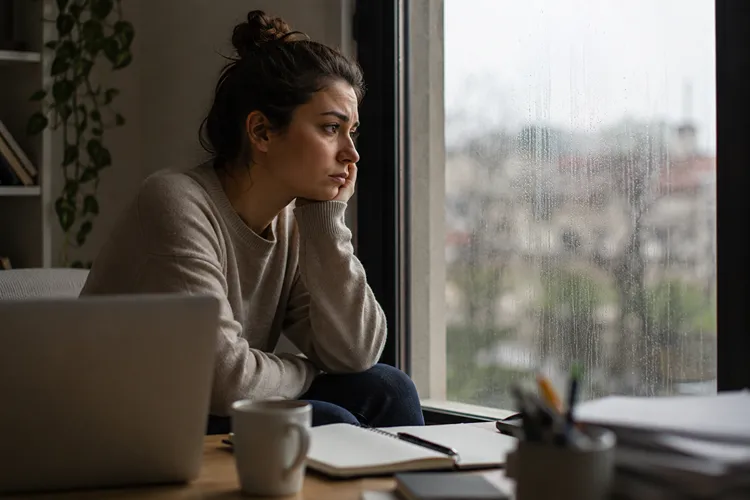
Burnout can affect every aspect of your wellbeing. Some symptoms are physical, while others are emotional signs, behavioural, or cognitive. Not everyone experiences burnout in the same way, but recognising several of these warning signs may indicate that it's time to slow down and seek support.
One of the most common burnout symptoms is persistent exhaustion. This isn't the normal tiredness that disappears after a good night's sleep. Instead, you may wake up already feeling drained, struggle to get through the day, or feel completely depleted even after resting.
These physical signs of burnout often include:
Ongoing fatigue
Low energy levels
Difficulty getting out of bed
Feeling physically weak
Reduced motivation to complete everyday tasks
If exhaustion continues for several weeks despite adequate rest, it may be worth exploring whether burnout is contributing to your symptoms.
Many people describe losing the emotional energy they once had for work, family, or activities they previously enjoyed. You may find yourself feeling detached, overwhelmed, or unable to cope with situations that once seemed manageable.
Common signs of emotional burnout include:
Feeling emotionally numb
Losing empathy
Feeling overwhelmed by small problems
Increased frustration
Reduced motivation
These emotional changes often develop gradually, making them easy to overlook until they begin affecting daily life.
Tasks that once felt straightforward may suddenly seem difficult. You may struggle to concentrate, take longer to complete projects, or begin making more mistakes than usual.
Difficulty concentrating
Reduced productivity
Lack of creativity
Missing deadlines
Feeling disconnected from your work
You may become increasingly negative, cynical, or indifferent towards colleagues, clients, or even people you care about. This emotional distancing is considered one of the hallmark characteristics of burnout syndrome.
Some people also lose their sense of purpose or begin questioning whether their work has any meaning at all.
5. You're Forgetting Things More Often
If you've been wondering, is forgetfulness a sign of burnout? the answer is that it certainly can be. Chronic stress affects attention and working memory, making it harder to process and retain information. As a result, you may:
Forget appointments
Lose track of conversations
Misplace everyday items
Struggle to remember simple tasks
Find it difficult to stay focused
You may find yourself putting off tasks you would normally complete without difficulty, even when you know they are important.
If you're asking yourself, is procrastination a sign of burnout?, the answer may be yes. Procrastination is often less about laziness and more about emotional exhaustion. When your mental resources are depleted, even small tasks can feel overwhelming.
Over time, this can create a cycle where unfinished work increases stress, making burnout even worse.
Research suggests that chronic stress can reduce emotional resilience, making it harder to regulate emotions.

You may notice yourself:
Becoming impatient with colleagues or family members.
Feeling frustrated over minor inconveniences.
Reacting more strongly than usual.
Feeling constantly "on edge."
Some people experiencing burnout find themselves becoming unusually emotional. You might find yourself crying over situations that previously wouldn't have affected you, or feeling unable to control your emotions after a stressful day.While occasional tears are a normal emotional response, persistent emotional overwhelm may indicate that your mind and body need time to recover.
One of the more subtle signs and symptoms of burnout is losing interest in activities that once brought you happiness.You may stop enjoying hobbies, spending time with friends, exercising, or pursuing personal goals. Instead, everything can begin to feel like another obligation.
This loss of motivation often develops gradually and can affect both your professional and personal life.
Perhaps the biggest warning sign of all is when rest no longer restores your energy. A relaxing weekend, a day off, or even a holiday may provide temporary relief, but the exhaustion quickly returns once you resume your normal routine.
This is one of the strongest signs of extreme burnout and suggests that recovery may require more than simply taking a few days off. Addressing the underlying causes of chronic stress is often necessary to regain your physical and emotional wellbeing.
Chronic stress places continuous strain on the body, and over time this can contribute to a wide range of physical symptoms. Some of the most common physical signs of burnout include:
Persistent fatigue, even after sleeping.
Frequent headaches or migraines.
Muscle tension, particularly in the neck and shoulders.
Difficulty sleeping or insomnia.
Digestive problems.
Changes in appetite.
Increased susceptibility to colds and infections.
Feeling physically drained throughout the day.
These symptoms can have many possible causes, so it's important not to assume they are always the result of burnout. If you experience persistent or worsening physical symptoms, consult a healthcare professional for a proper assessment.

Although the core symptoms of burnout are similar, the way burnout develops can vary depending on a person's responsibilities, lifestyle, and environment.
Research suggests that women may experience burnout differently due to factors such as workplace demands, caregiving responsibilities, and the mental load associated with managing multiple roles.
Common signs of burnout in women may include:
Constant exhaustion despite getting enough sleep.
Feeling emotionally overwhelmed.
Difficulty balancing work and family responsibilities.
Increased anxiety or irritability.
Feelings of guilt about not "doing enough."
Women who are balancing careers with caregiving responsibilities may also find it difficult to prioritise their own wellbeing, increasing the risk of chronic stress.
Although burnout affects people of all genders, men may sometimes be less likely to recognise or openly discuss emotional symptoms.
Some common signs of burnout in men include:
Increased irritability or anger.
Emotional withdrawal.
Reduced motivation at work.
Physical exhaustion.
Difficulty concentrating.
The workplace is one of the most common settings in which burnout develops, particularly when high workloads, unrealistic expectations, or limited support persist over time. Common signs of burnout in the workplace include:
Feeling exhausted before the workday begins.
Reduced productivity.
Difficulty concentrating.
Increased absenteeism.
Feeling detached from colleagues or clients.
Loss of motivation.
Making more mistakes than usual.
Managers should also be aware of signs of employee burnout, as early recognition can help prevent long-term health problems and improve workplace wellbeing.
Profession | Common Signs of Burnout |
Healthcare Professionals (doctors, nurses, therapists, paramedics) | Emotional exhaustion, compassion fatigue, feeling detached from patients, difficulty concentrating, increased irritability, sleep problems. |
Caregivers (family caregivers, support workers) | Feeling constantly overwhelmed, emotional exhaustion, guilt about taking breaks, physical fatigue, social withdrawal, neglecting personal needs. |
Teachers & Educators | Reduced motivation, emotional exhaustion, frustration, decreased job satisfaction, difficulty managing classroom demands, feeling ineffective. |
Corporate & Office Professionals | Chronic stress, declining productivity, procrastination, forgetfulness, difficulty concentrating, feeling disconnected from work. |
Students & Academics | Mental fatigue, loss of motivation, procrastination, poor concentration, sleep disturbances, anxiety around deadlines and exams. |
Parents | Constant exhaustion, emotional overwhelm, impatience, loss of personal identity, feeling guilty, lack of time for self-care. |
First Responders (police officers, firefighters, emergency responders) | Hypervigilance, emotional numbness, chronic stress, sleep disturbances, irritability, compassion fatigue. |
Hospitality & Customer Service Workers | Emotional exhaustion from constant customer interaction, irritability, physical fatigue, reduced job satisfaction, feeling undervalued. |
Managers & Business Leaders | Decision fatigue, difficulty switching off from work, chronic stress, reduced concentration, feeling responsible for everyone else, emotional exhaustion. |
Remote Workers & Freelancers | Difficulty separating work from personal life, overworking, social isolation, lack of motivation, blurred boundaries, feeling "always on. |
Therapists | Emotional exhaustion, compassion fatigue, difficulty disconnecting from clients' concerns, reduced empathy, feeling overwhelmed, and increased risk of emotional depletion. |
Burnout isn't limited to professional life. Parenting, caregiving, household responsibilities, and ongoing personal stress can all contribute to emotional exhaustion.
Some signs of burnout at home include:
Feeling overwhelmed by everyday responsibilities.
Losing patience with loved ones.
Having little energy for hobbies or social activities.
Feeling emotionally detached from family life.
Constantly feeling like there is never enough time to rest.
Recognising these symptoms early can help prevent burnout from affecting relationships and overall quality of life.
Caring for children while managing everyday responsibilities can be emotionally and physically demanding. Common signs of burnout as a mum include constant exhaustion, irritability, emotional overwhelm, guilt about taking time for yourself, and feeling like you're always running on empty. If these feelings persist, seeking support and prioritising self-care can make a significant difference.
Relationship burnout can develop when ongoing conflict, emotional strain, or unmet needs leave one or both partners feeling exhausted. Common signs of relationship burnout include emotional distance, frequent arguments, lack of communication, reduced intimacy, and feeling disconnected from your partner. Addressing concerns early through open communication or couples therapy can help strengthen the relationship.
Students can also experience burnout, particularly during periods of prolonged academic pressure.
Common signs of burnout from studying include:
Difficulty concentrating while studying.
Feeling mentally exhausted.
Loss of motivation.
Increased procrastination.
Anxiety around exams or coursework.
Maintaining a healthy balance between study, rest, and social activities is important for preventing burnout during education.

Experiencing one or two signs of burnout from time to time doesn't necessarily mean you're burnt out. However, if several of these symptoms have persisted for weeks or months and are affecting your work, relationships, or overall wellbeing, it's important to take them seriously.
Burnout is not something that can simply be "pushed through." Recovery usually involves addressing both the symptoms and the underlying causes of chronic stress.
Here are some practical steps that may help.
Many people experiencing burnout try to compensate by working harder, but this often makes the situation worse.
Instead, make time for genuine rest. This means allowing yourself opportunities to recover physically and mentally, rather than simply switching from one responsibility to another. Recovery takes time, so it's important to be patient with yourself.
Burnout often develops when demands consistently exceed the time or energy available to meet them. Learning to set boundaries can help reduce ongoing stress. Depending on your situation, this might include:
Saying no to additional responsibilities.
Delegating tasks where possible.
Limiting overtime.
Taking proper lunch breaks.
Disconnecting from work outside working hours.
Healthy boundaries aren't about doing less, they're about protecting your long-term wellbeing.
When people are burnt out, they often stop doing the very things that help them recover. Try to gradually reintroduce activities that make you feel relaxed, connected, or energised, such as going for a walk, reading a book, spending time with friends or family, mindfulness, etc.
Small, consistent changes are often more sustainable than trying to make dramatic lifestyle changes all at once.
Burnout can feel isolating, but you don't have to deal with it alone. Talking openly with a trusted friend, family member, colleague, or manager can help reduce feelings of isolation and may lead to practical solutions.
If work is contributing to your burnout, discussing your workload or responsibilities with your employer may also be beneficial where appropriate.
If your symptoms are persistent or significantly affecting your daily life, speaking with a qualified mental health professional can be an important step. Evidence-based approaches such as Cognitive Behavioural Therapy (CBT), Mindfulness-Based Stress Reduction (MBSR), and Acceptance and Commitment Therapy (ACT) may support people experiencing stress, anxiety, and burnout-related difficulties. However, burnout is not only an individual problem. Recovery often works best when personal support is combined with changes to the underlying environment, such as workload, boundaries, autonomy, fairness, and access to practical support.
When Should You Seek Professional Help?
Although mild burnout may improve with rest and lifestyle changes, professional support is recommended if symptoms continue or become more severe.
Consider seeking help if:
Your symptoms have lasted for several weeks.
You're struggling to perform everyday tasks.
Burnout is affecting your work or relationships.
You feel persistently anxious or low.
Rest no longer helps you recover.
You feel emotionally overwhelmed most days.
A healthcare professional or therapist can assess your symptoms, rule out other possible causes, and recommend the most appropriate support. Seeking help early can make recovery easier and may prevent burnout from progressing further.
Reviewed by: Alexandra K (View Professional Profile)