
Subscribe to Our Newsletter
To get the latest tips and news to support your well-being journey!
To get the latest tips and news to support your well-being journey!

A week can disappear in meetings, messages, family admin and half-finished promises to yourself. You mean to make progress, but the bigger goals keep slipping behind the urgent ones. That is exactly where a personal development coach online can make a real difference - not by offering vague motivation, but by helping you turn intention into steady, visible change.
For many people, personal growth does not fail because they lack ambition. It stalls because they are carrying too much, trying to change too many things at once, or working without structure. Online coaching creates space to pause, get honest about what is not working, and build a plan that fits real life rather than an ideal routine that lasts three days.
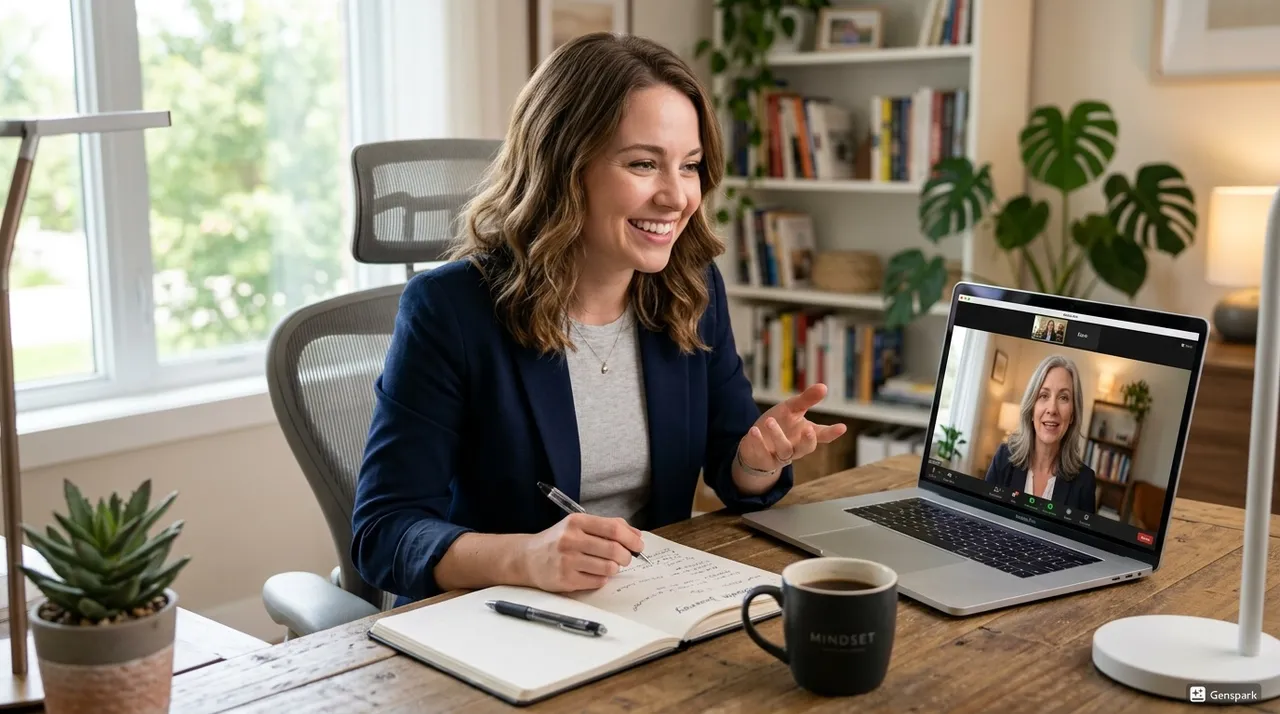
A personal development coach helps you move from feeling stuck to feeling directed. That might mean improving confidence, setting boundaries, managing stress, rebuilding motivation, changing habits or making decisions with more clarity. The work is practical, but it is also personal. A good coach will look at your goals in context - your workload, your energy, your relationships, your mindset and the pressure points that keep repeating.
The online part matters more than people sometimes expect. It is not simply a video version of traditional support. It often makes coaching more accessible, more flexible and easier to fit around a demanding schedule. If you are balancing work, parenting, commuting or burnout recovery, the ability to book support from home can remove the friction that stops many people from starting.
That convenience also supports consistency. Personal development usually happens through small repeated actions, not one dramatic breakthrough. When sessions are easier to attend, momentum becomes easier to keep.
The people who benefit most from coaching are often the people with the least spare time. Professionals managing stress, people navigating career shifts, and adults trying to improve their wellbeing while keeping everything else afloat do not always need more information. They need focused support that helps them sort what matters now from what can wait.
Online coaching meets that need well because it is built around flexibility. Sessions can often be scheduled around lunch breaks, early mornings or evenings. You also have a degree of privacy and comfort that can make honest conversations easier. Many clients open up more quickly in their own space than they would in a formal room across town.
There is also a practical emotional benefit. When support is easier to access, asking for help feels less like a major event and more like a healthy next step. That matters when you are already overwhelmed.
People come to coaching with very different starting points. Some want help with confidence at work. Others are trying to recover from burnout, stop procrastinating, improve discipline or work out what they actually want next. Some are doing well on paper but feel disconnected, restless or constantly under pressure.
A strong coaching relationship can support all of these areas, but it is worth being realistic. Coaching is not magic, and it is not therapy. If you are dealing with trauma, severe anxiety, depression or a complex mental health concern, you may need therapeutic support rather than, or alongside, personal development coaching. In many cases, the most effective approach is holistic - looking at emotional wellbeing, habits, physical health and mindset together rather than treating them as separate problems.
That joined-up support is often where online wellness platforms stand out. Instead of forcing you to choose between personal growth and other areas of wellbeing, they can help you find the right kind of specialist support for your full situation.
Not every coach will be right for every person, and that is a good thing. The best fit depends on your goals, your communication style and the kind of accountability you respond to. Some people need direct challenge. Others need calm, steady guidance. Most need a mix of encouragement and structure.
Start by looking beyond polished language. A coach may sound inspiring, but you also want to know how they work. Do they help you set measurable goals? How do they track progress? What happens between sessions? Are they experienced in the kind of challenge you are facing, whether that is burnout, confidence, career direction or habit change?
It also helps to notice how a coach makes you feel. You should feel safe enough to be honest, but not so comfortable that nothing changes. Good coaching creates clarity and movement. It should leave you feeling understood, but also gently challenged to act.
A good online coach is clear about their approach, respectful of boundaries and realistic about outcomes. They will not promise to change your life in a week. They will help you build a process you can actually sustain.
Look for someone who listens well, asks precise questions and helps you identify patterns rather than simply giving advice. Real progress usually comes from insight paired with action. If every session feels motivational but nothing changes between them, the fit may not be right.
It is sensible to ask how sessions are structured, what kinds of goals they usually support and how often clients typically meet with them. You can also ask what they do when someone feels stuck. That answer often tells you a lot. A thoughtful coach will have a method for working through resistance, setbacks and changing priorities.
One of the most helpful things about coaching is that progress becomes more visible. You may start with a broad goal such as wanting more confidence or balance, but a coach can help break that into specific shifts. That could mean speaking more clearly in meetings, saying no without guilt, sticking to routines, finishing what you start or feeling less emotionally drained at the end of the week.
Progress is not always linear. Some weeks you will move quickly. Other weeks you will realise the real issue sits underneath the original goal. For example, what looked like poor time management may actually be perfectionism, people-pleasing or exhaustion. This is why personalised support matters. Surface-level fixes rarely last if the deeper pattern is left untouched.
A good coach helps you notice both wins and obstacles without turning either into drama. The aim is not perfection. It is building self-awareness and reliable habits that keep carrying you forward.
When you are choosing a personal development coach online, it is easy to focus only on the individual. That makes sense, but the platform behind the experience matters too. Booking should be simple. Sessions should feel secure. Communication should be straightforward. Privacy should not be an afterthought.
If the process of finding support feels confusing or clunky, people often delay getting started. A well-designed platform reduces that stress. It helps you explore options, book with confidence and stay consistent without chasing emails or juggling different tools.
That is one reason integrated care platforms can be so useful. If your goals overlap with stress, fitness, emotional wellbeing or nutrition, you are not left trying to piece together support on your own. On SympathiQ, that holistic model makes it easier to find support that reflects your actual life, not just one isolated goal.
It depends on what you need and how you like to work. If you want a structured space to build confidence, improve habits, handle change or make meaningful progress on goals that matter to you, online coaching can be a strong option. If you value flexibility, discretion and support that fits around your schedule, it can be even more appealing.
It may be less suitable if you are looking for crisis support or specialist mental health treatment. In those cases, a different kind of practitioner may be the better first step. There is no failure in needing the right level of care. In fact, recognising that is part of personal development too.
The most important thing is not finding a perfect coach or starting at the perfect moment. It is choosing support that helps you move out of autopilot and back into a more intentional relationship with your own life. Sometimes growth begins with a big decision. More often, it begins with one honest conversation and the willingness to take the first step.
Your email address will not be published. Required fields are marked *