Subscribe to Our Newsletter
To get the latest tips and news to support your well-being journey!

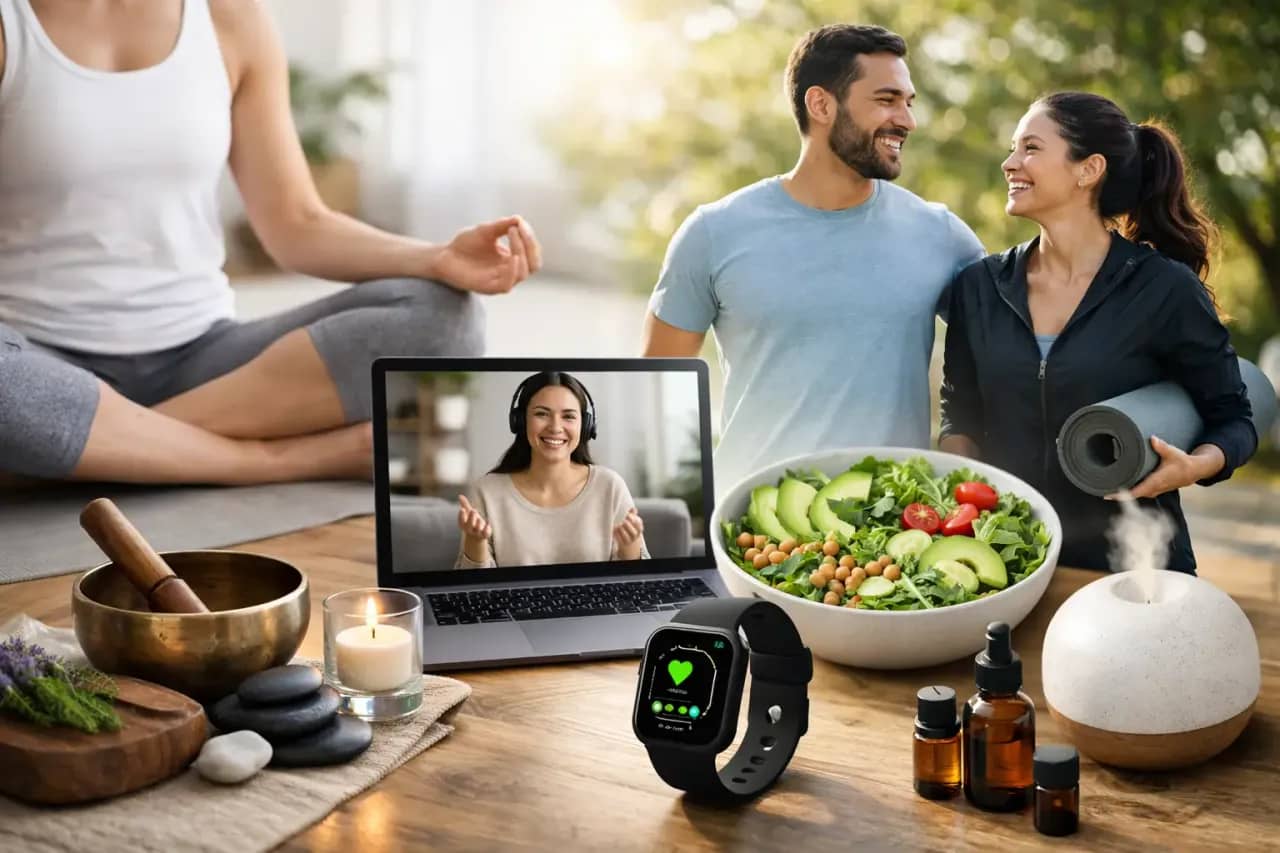
Stress rarely arrives on its own. It can show up as poor sleep, shorter patience, low motivation, missed workouts, comfort eating, relationship strain, or that lingering sense that life feels harder than it should. That is exactly why a holistic wellness platform matters. When support for your mind, body and personal growth sits in separate silos, it becomes harder to get help that actually reflects how real life works.
For many adults, the issue is not a lack of willingness. It is friction. Finding the right specialist takes time. Comparing services feels overwhelming. Booking appointments around work and family can be a challenge. Then there is the question of privacy, cost and whether the support will feel tailored rather than generic. A better platform removes those barriers and helps you take the first step with more clarity and less stress.
A holistic wellness platform brings together multiple forms of support in one connected space. That can include mental health guidance, burnout coaching, fitness, nutrition, relationship support and personal development. The point is not simply to offer more services. The point is to recognise that lasting wellbeing usually depends on several areas of life moving in the same direction.
If you are struggling with burnout, for example, talking to a specialist about stress may help you understand what is happening. But if your sleep routine is poor, your nutrition is inconsistent and your weekly schedule leaves no room for recovery, progress may feel slow. In that case, a platform that helps you access different types of support in one place can be genuinely useful.
This joined-up approach also helps reduce the stop-start experience many people have with traditional care. Instead of searching one website for therapy, another for a coach and another for fitness support, you can explore your options through a single platform built around your goals.
The old model of wellness often expects people to identify the exact kind of help they need before they begin. That sounds reasonable until you are the person living through brain fog, stress, low energy or a loss of confidence. At that point, naming the problem is often part of the problem.
A more supportive model starts with where you are now and where you want to get to. You might want to feel calmer, build healthier habits, improve your relationship with food, recover from burnout or feel more in control of your emotions. Those are human goals, not neat categories. A holistic platform is better placed to respond to that reality because it is organised around outcomes, not just service labels.
That does not mean every person needs multiple specialists at once. Sometimes one well-matched professional is enough. But having broader support available matters because needs change. Someone may begin with a mental wellbeing focus and later want accountability around movement, nutrition or personal growth. A platform that can grow with you saves time and protects momentum.
Not every platform that uses the word wellness delivers a genuinely supportive experience. Some are little more than directories. Others offer limited choice or make it hard to understand what happens after sign-up. If you are choosing a platform for your own wellbeing, a few qualities make a real difference.
The best support feels relevant from the start. A strong platform helps you identify the kind of specialist that fits your goals, preferences and current challenges. That may be a burnout coach, nutrition professional, fitness expert or someone focused on emotional wellbeing. Personalisation matters because the right fit often shapes whether you stay engaged long enough to see results.
Convenience is not a luxury in wellness care. It is often the reason people can begin at all. Online booking, virtual sessions and flexible scheduling help support fit around work, caring responsibilities and changing routines. If getting help feels too complicated, people tend to put it off.
Wellness support often involves sensitive conversations. Whether you are discussing stress, confidence, relationships or health habits, you need to feel safe. Clear privacy standards, secure systems and respectful communication are not optional extras. They are the foundation of trust.
Real change usually needs continuity. A useful platform makes it easy to return, review progress and keep building. That does not mean constant appointments. It means creating a structure where support remains accessible when you need it, rather than dropping you after the first booking.
There is something deeply reassuring about having support in one place. It lowers the mental load. You do not have to keep researching from scratch every time a new challenge appears. You can stay focused on your progress instead of on administration.
This matters especially for people managing busy schedules or periods of low capacity. When you are overwhelmed, even small tasks can feel heavy. A platform that brings discovery, booking, consultations and follow-up together can make care feel possible rather than exhausting.
There is also a practical benefit to seeing wellbeing as connected. Better nutrition may improve energy. Better energy can support exercise consistency. Movement can strengthen mood and sleep. Emotional support can help you stick with healthier routines. Personal development can rebuild confidence and direction. None of these areas exists in isolation, and your support should not have to either.
The strongest platforms do not only serve clients. They also help practitioners do their best work. That matters more than many users realise.
When specialists have tools to manage profiles, bookings, payments and virtual sessions in one place, they can spend less time on administration and more time supporting people well. It also helps newer or independent professionals grow their practice without needing to piece together several different systems.
For clients, this often creates a smoother experience. Profiles are clearer. Availability is easier to understand. Sessions are simpler to book. Communication feels more consistent. In other words, a platform built to support both sides tends to work better for everyone.
This two-sided model is part of what makes platforms such as SympathiQ appealing. They are not just marketplaces filled with names and headshots. They are designed to support meaningful connections while also giving practitioners a practical digital home for their work.
There are trade-offs, and it is worth being honest about them. Some people already know exactly what kind of support they need and have a trusted specialist they want to continue seeing. In that case, a broader platform may not add much value.
Others may prefer in-person support because it suits their communication style, home environment or clinical needs. Digital care is convenient, but it depends on comfort with technology and having a private space for sessions. For some, that works brilliantly. For others, it is less ideal.
It also depends on expectations. A holistic platform can guide, connect and support, but it is not a magic fix. Progress still comes from consistency, honesty and choosing support that matches your current reality. The platform should make the path easier to follow, not pretend the path requires no effort.
You do not need to be in crisis to benefit from support. In fact, many people get the most from wellness guidance when they act early - when stress is building, routines are slipping or life feels slightly off balance. Waiting until everything feels unmanageable can make the first step harder.
A good place to begin is with one honest question: what feels hardest to carry on your own right now? That might be anxiety, burnout, confidence, nutrition, motivation or simply the feeling that you are stuck. Once that is clear, finding the right specialist becomes easier.
The best platforms respect that readiness can be fragile. They do not overwhelm you with jargon or force you into a one-size-fits-all journey. They help you orient yourself, explore your options and choose support with confidence.
If your wellbeing goals have started to overlap - if stress is affecting sleep, motivation is affecting movement, or emotional strain is affecting your relationships - a holistic wellness platform may be the most practical and compassionate place to begin. You do not need to solve every part of your life at once. You only need a space that sees the whole picture and helps you move forward from there.
Your email address will not be published. Required fields are marked *